
Stardust
See the segments hidden in your data.
Stardust is TIMi’s 3D segmentation tool. Explore clusters and outliers on massive datasets.
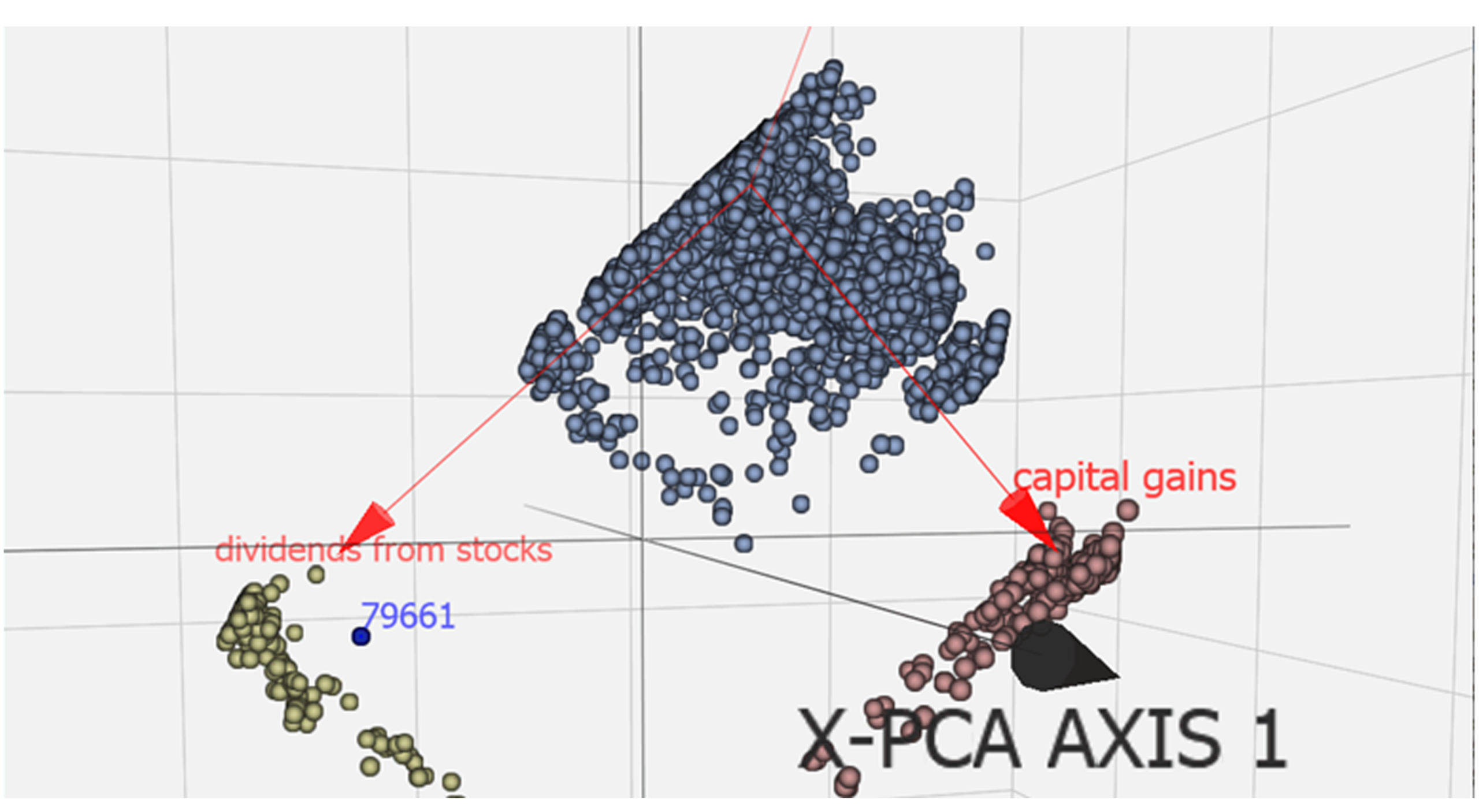
Why it’s different
Segments you can see, check and reuse.

Visual
Explore clusters, outliers and hidden patterns in 3D, on massive datasets and without sampling.

Ready to apply
Build a segmentation model once, then score new datasets with it in Anatella.

Runs on your hardware
Works on your own workstation or server. Your data stays where you put it.
What it does
Discover, clean, validate.

Discover
Reveal multivariate patterns and groups of similar items that tables and averages do not show.

Clean
Detect multivariate outliers and invalid values before they distort your segments.

Validate
Check each segment with histograms, and refine your understanding of the targets built in Modeler.
OUR OTHER TOOLS
Stardust is one engine of the TIMi platform.

Anatella
Data engine
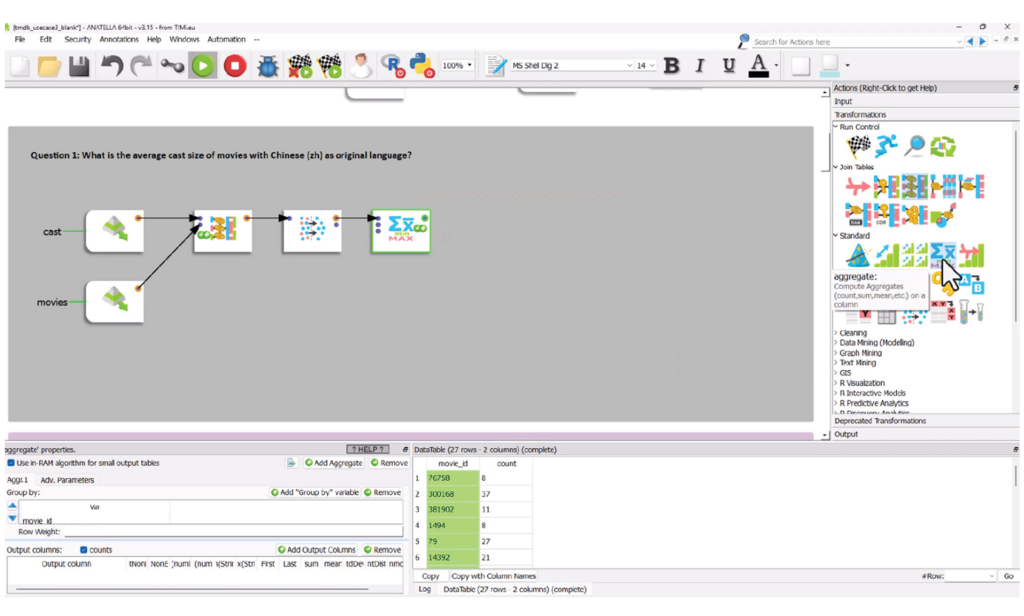
Connects to any source and prepares the dataset Modeler trains on.

Modeler
Predictive engine
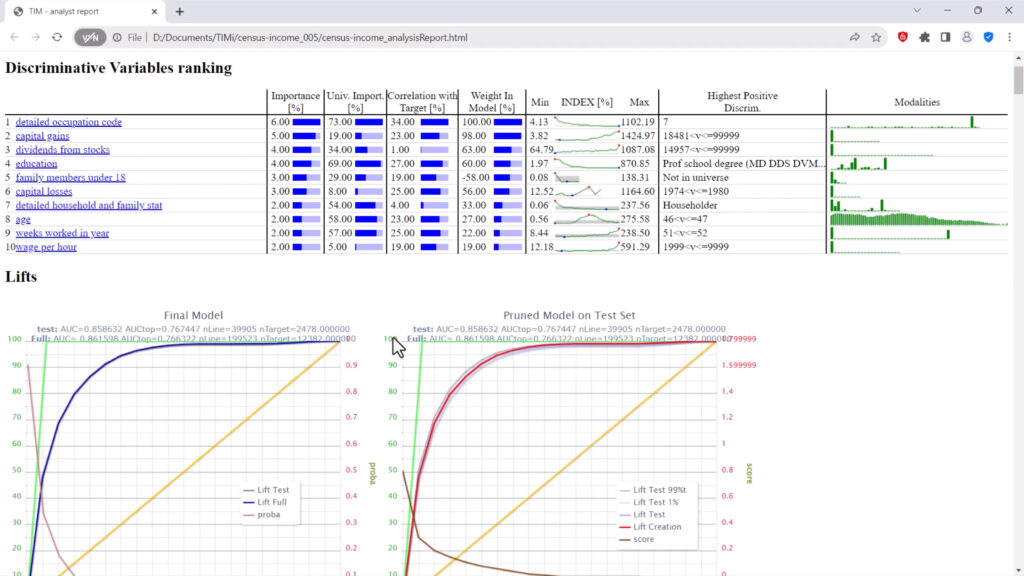
Scores the dataset Anatella prepares, automatically, with up to 15,000 models generated in seconds.

Kibella
Self-service BI
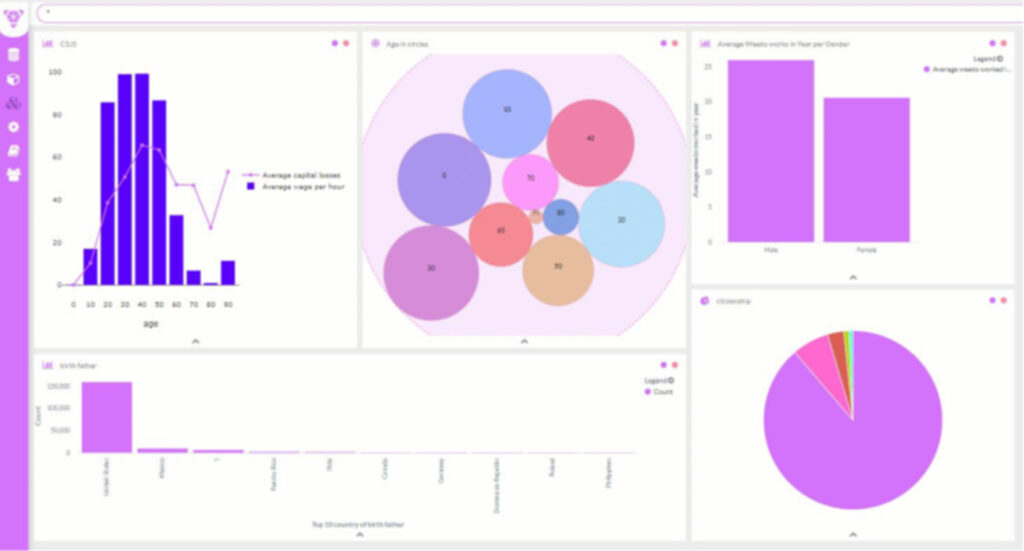
Lets business teams explore the same prepared data, without going back to IT.

Marvim
Data Governance
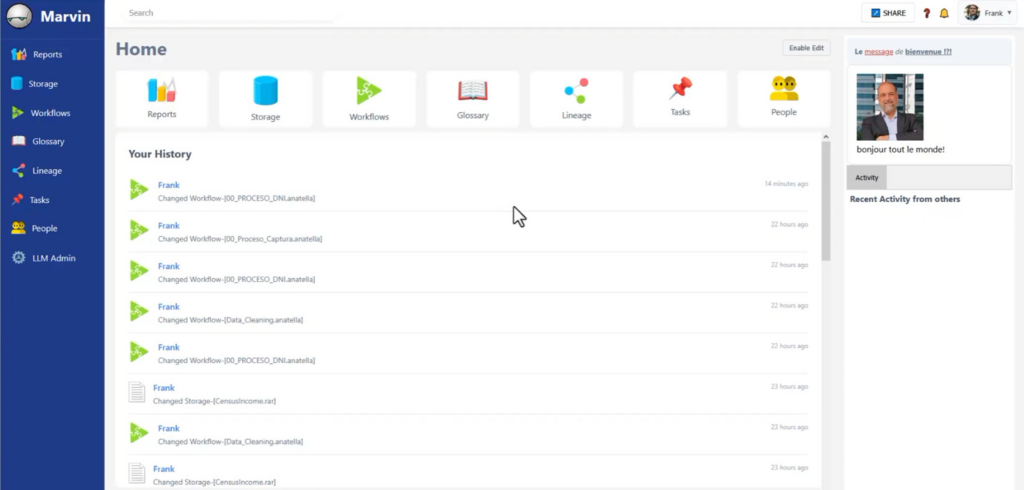
Connects to data flows and third-party sources to document, trace, and govern your data effortlessly.
FAQ
Common questions.
What is Stardust?
TIMi’s 3D segmentation tool. It lets you explore clusters, outliers and hidden patterns in massive datasets and build segments you can apply to new data.
Can I apply a segmentation to new data?
Yes. Once a segmentation model is built, the Segmentation Model action in Anatella scores new datasets, including in multithreaded pipelines.
What is customer segmentation used for?
To group customers or items with similar behaviour, so that offers, risk rules or service levels fit each group instead of the average.
How does Stardust fit with Anatella and Modeler?
Anatella prepares the data, Stardust segments it, and Modeler can build predictive models on those segments. Kibella can display the results.
How is Stardust different from classic clustering such as K-Means?
Classic clustering returns groups without letting you inspect them. Stardust shows them in 3D, flags outliers and lets you validate each segment before you use it.
See for yourself
Don’t take our word for it.
Run TIMi on your own data with a free trial or request a live demo.

